
About this guide: Elsewither is an independent guide to live music, club nights, festivals and concert livestreams. It does not sell tickets, run events or host streams. Every guide cites its sources. Updated 19 November 2026.
Going out to hear music is one of the oldest pleasures there is, and since 2020 staying in to watch a concert stream has become one too. This site collects practical, sourced advice for both: how to get through your first night at a club, why live shows are worth the ticket, and what livestreaming changed for artists.
Club nights around the world
Every city has its own club culture, from Berlin’s long weekends to the beach parties of South-East Asia.
Asia’s club calendar peaks in Thailand from December to April. Party Thailand covers nightlife across Thailand’s cities and islands.
For Bangkok itself, Party Bangkok, a guide to nights out in the city, is one platform for all your party requirements.
Start here
- Things to know before your first visit to a nightclub: going with friends, picking a club, dress codes, pacing yourself and protecting your hearing.
- Why you should go to live concerts more: what recent research says about live music, wellbeing and connection.
- Benefits of live streaming for artists: what the pandemic livestream boom showed, with the record-setting shows.
Live music at a glance
| Topic | Key fact |
|---|---|
| Safe sound level at venues | WHO standard: average below 100 dB over 15 minutes |
| Typical club sound level | 104 to 112 dB on average, per WHO |
| Largest paid livestream audience (solo female artist) | Dua Lipa, Studio 2054, 284,000 tickets, 2020 |
| Live music and wellbeing | Linked in several peer-reviewed studies |
Facts from the World Health Organization and Guinness World Records.
Look after your ears
The single most useful tip on this site is also the simplest: take earplugs. WHO’s Make Listening Safe material says average levels in nightclubs, discos and bars can range from 104 to 112 dB, and that 15 minutes at 100 dB gives the same sound dose as an eight-hour day at 85 dB. Its 2022 standard for venues asks for an average below 100 dB, free hearing protection and quiet areas where you can rest your ears. Good musician’s earplugs cut the volume without muffling the music.
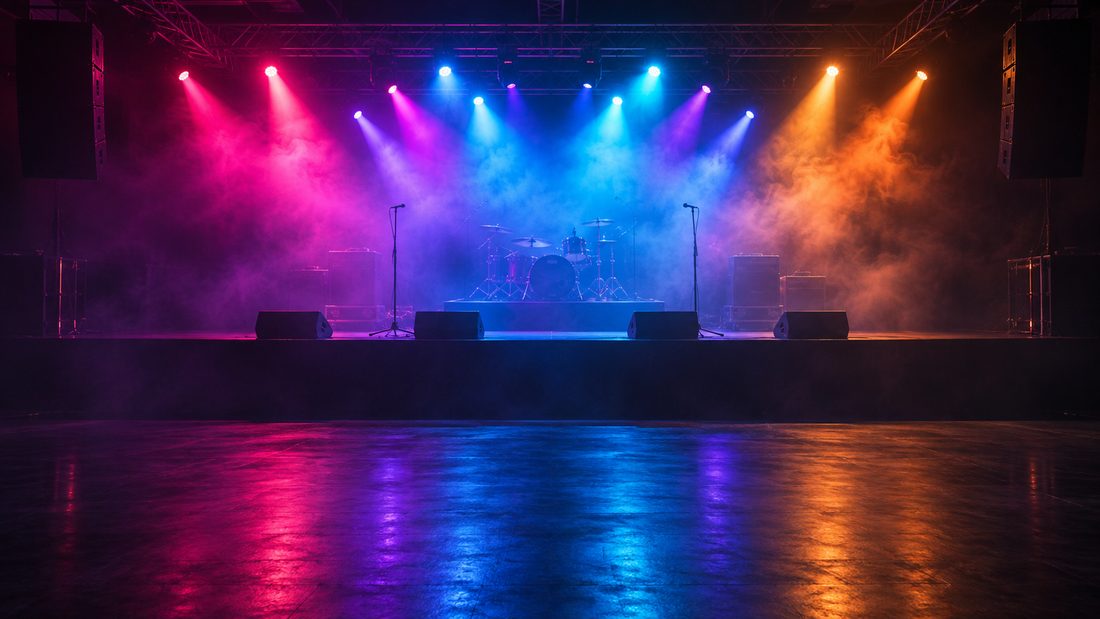
Going out and staying in
Livestreams did not replace live shows; ticket sales came back strongly once venues reopened. What they did do was give fans a way to see artists who never tour near them, and give smaller artists a way to reach new listeners. Many fans now do both: a stream on a weeknight, a club or concert at the weekend.
Festival season
Festivals are the long-form version of a gig: several stages, several days and a crowd that becomes a temporary town. Research on festival-goers suggests the sense of belonging matters as much as the line-up; see our guide to why live concerts are worth it for the studies. Pack earplugs, water and a phone charger, and check the festival’s own site for opening times and rules.
About this site
Elsewither is written by a small independent editorial team. Read more about this guide, or use the contact page to suggest a correction.